
Lot verification
Look up a lot
Every vial carries a lot code. Enter it and this page returns the certificate the laboratory issued for that lot — the figures it measured, the tests it ran, the tests nobody asked for, and the record you can check against the laboratory directly.
This page and every lot page are public. No account, no gate, no partial preview.
What is published today
- Lots with a certificate on file
- 20
- Certificates published, superseded versions included
- 23
- Catalogue entries linked to a certificate
- 22
- Catalogue entries with nothing on file yet
- 8
Of the lots on file, 13 carry a purity figure and 7 were analysed for identity and amount only, because that is what the laboratory was asked to run. Where no purity figure exists, none is shown and none is borrowed from a sibling lot.
Most recently analysed
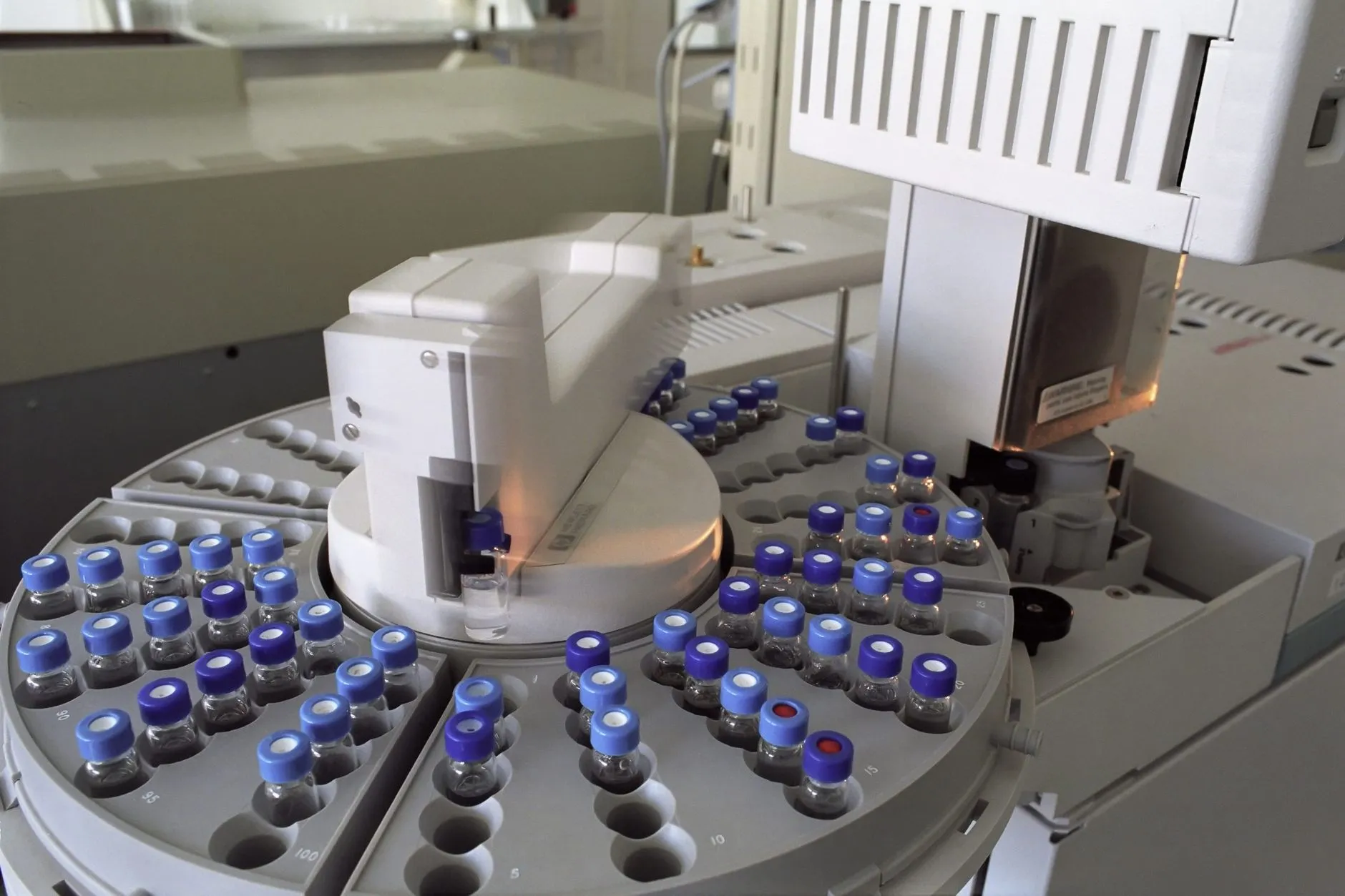
What a certificate of analysis is
A certificate of analysis is a report issued by a laboratory, recording the tests it performed on a sample drawn from one lot of material, on one date. It lists what was measured, how, and what the result was.
The certificates published here were issued by a laboratory independent of us. We did not perform the analysis, we do not choose the result, and we publish the figure the laboratory printed — including the ones that are lower than the rest, and including a measured fill that came back well above its label figure.
What each test actually measures
Identity
Is this molecule the one named on the label?
- How it is measured
- The laboratory compares the sample against the expected molecular mass, typically by mass spectrometry, and reports whether the analyte was found.
- What it does not settle
- A mass match is strong evidence of identity, not proof of it. Molecules of identical mass exist, and a mass measurement alone does not resolve every isomer or every stereochemical variant.
Purity
What share of the peptide content is the named molecule?
- How it is measured
- Determined by high-performance liquid chromatography. The dissolved sample is separated into its components and the figure reported is the share of the total detector response belonging to the main peak.
- What it does not settle
- It is a relative figure, not an absolute one. It describes the peptide fraction the detector saw — it does not weigh water, residual salts, counter-ion or anything else that does not respond at the detection wavelength. A 99% chromatographic result is not a statement that a vial is 99% the named compound by total mass.
Net fill mass
How much material is actually in the vial?
- How it is measured
- The content of the vial is quantified and reported in milligrams against the mass printed on the label.
- What it does not settle
- It is one vial from one lot. Fill varies across a lot, and a measured figure above or below the label figure describes the vial analysed, not every vial.
Bacterial endotoxin (LAL)
How much bacterial endotoxin is present, in endotoxin units per vial?
- How it is measured
- A limulus amoebocyte lysate assay quantifies endotoxin. It has been run on some lots and not on others; each lot page names which.
- What it does not settle
- It is a quantity, not a sterility determination and not a fitness determination. Endotoxin is reported because it interferes with in-vitro assay work, and for no other reason.
Residual TFA
Is trifluoroacetic acid left over from synthesis detectable?
- How it is measured
- Trifluoroacetic acid is used during peptide synthesis and purification. Where this test was run, the result is reported as measured.
- What it does not settle
- A result of not detected means below the laboratory's limit of detection. It does not mean zero, and it was not run on most lots.
What a certificate does not prove
A certificate is worth publishing only if its limits are published with it. These are ours.
It describes one lot, and only that lot.
Peptide synthesis is batch chemistry. Two lots of the same compound from the same supplier will produce two different numbers, which is why there is no catalogue-wide purity figure anywhere on this site and never will be.
It describes the sample analysed, not the vial you hold.
A vial is drawn from the lot and sent to the laboratory. The certificate is evidence about the lot that vial came from. It is not a measurement of any other individual vial.
A percentage is a measurement, not a specification.
The figures published here are what the laboratory measured on the date shown. They are not a floor we commit to, not a promise about the next lot, and not a threshold any material is held to before it ships.
Sterility was not tested on any lot in this catalogue.
Nothing here has been tested for sterility, and no certificate on this site states or implies it. Where a test was not run, the lot page names the test in a tests-not-performed line rather than leaving the absence to inference.
It says nothing about stability over time.
A certificate records a measurement on a date. It is not a shelf-life determination and it does not describe how the material behaves after that date, in transit, or under any storage condition.
It says nothing about what the material does.
A certificate is an identity and composition document. It carries no finding about use, effect or outcome in anything, and neither does any page on this site.
A document can be forged. A laboratory record cannot be forged from here.
That is the whole point of a verification key. The certificate we publish is checkable against the laboratory's own records, by anyone, without an account and without asking us.
About this certificate. Certificates of analysis are lot-specific. A certificate reports only the tests actually performed on the lot identified on it, by the laboratory named on it, on the date shown — typically identity and purity by HPLC/MS and net fill mass. It is not a statement of sterility, endotoxin content, or fitness for any purpose, and a result for one lot does not describe any other lot. Tests not listed on a certificate were not performed.
Checking this without us
- Read the lot code from the carton or the vial label and open its page here. Every lot has a permanent, public address; none of it sits behind a login.
- Open the laboratory’s own verification page from the link on that lot page and enter the verification key printed on the certificate. The laboratory returns the record it holds.
- Compare the laboratory’s figures against the ones on this site, line for line. If anything differs, the laboratory’s record is the authority, not ours.
Verification keys are transcribed from the certificate images supplied to us, and most of those images were cropped below the key line. Where a key has not been transcribed the lot page says so rather than showing a blank field. Transcription of the remaining keys is outstanding.